
Introduction
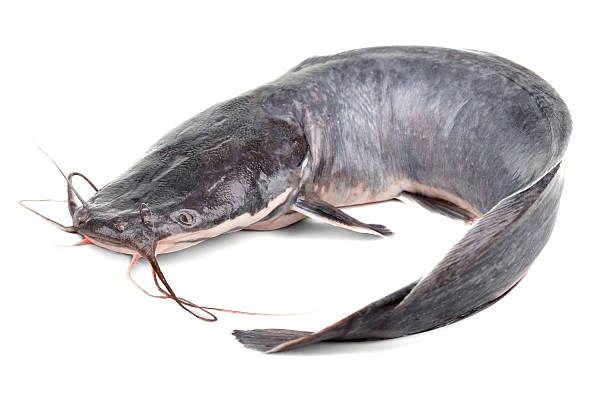
Catfish farming is an essential sector of agriculture in Nigeria, contributing significantly to the country’s economy and food security. This essay provides an overview of catfish farming, including its benefits, types of catfish species, setting up a catfish farm, feeding and nutrition, breeding and hatchery management, disease prevention and management, and harvesting and marketing strategies.
Benefits of Catfish Farming
Catfish farming offers numerous benefits to farmers and consumers alike. From an economic perspective, it provides a source of income for farmers and creates employment opportunities. Additionally, catfish farming contributes to the country’s food security by increasing the availability of affordable protein-rich food. Catfish is highly nutritious, rich in omega-3 fatty acids, vitamins, and minerals.
Types of Catfish Farming
Several catfish species are commonly farmed in Nigeria. The most popular ones include Clarias gariepinus (African catfish), Heterobranchus bidorsalis (African butter catfish), and Clarias anguillaris (mudfish). These species are known for their adaptability to different environmental conditions and rapid growth rates.
Setting up a Catfish Farm
To set up a successful catfish farm, several factors need to be considered. These include selecting a suitable location with access to a reliable water source, constructing fish ponds or tanks, ensuring proper water supply and quality management, and implementing appropriate waste management systems.
Feeding and Nutrition
Proper feeding and nutrition are crucial for the growth and development of catfish. Farmers need to understand the nutritional requirements of catfish at different stages of growth and select appropriate feed formulations. Feeding techniques such as demand feeding or time-restricted feeding can be employed to optimize feed utilization.
Breeding and Hatchery Management
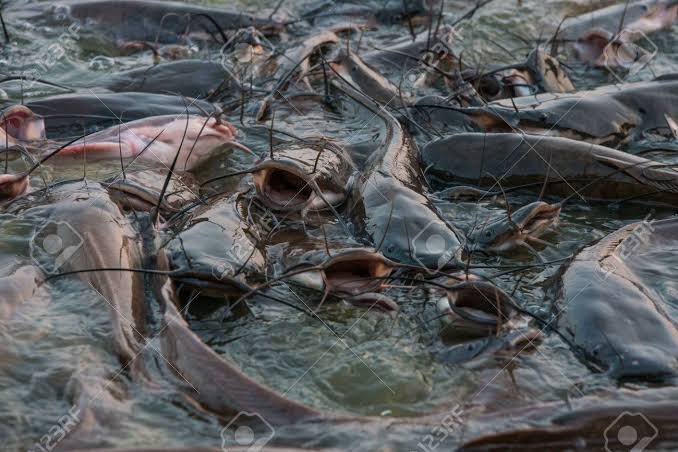
Catfish breeding involves selecting healthy broodstock, inducing spawning through hormonal manipulation or natural methods, collecting and incubating eggs, and managing fry until they reach fingerling size. Proper hatchery management practices are essential to ensure high survival rates and healthy fry production.
Disease and Prevention Management
Catfish farming is susceptible to various diseases that can cause significant losses if not properly managed. Common diseases include fin rot, gill rot, crack head disease, proliferative gill disease (PGD), and channel catfish virus (CCVD). Farmers should implement biosecurity measures such as regular health monitoring, proper pond hygiene, and quarantine procedures to prevent disease outbreaks.
Harvesting and Marketing
Harvesting techniques play a crucial role in maintaining fish quality. Proper grading, sorting, and transportation practices should be followed to minimize stress on the fish during harvest. Value addition through processing can enhance market opportunities for catfish products. Effective marketing strategies targeting both local and international markets can help farmers maximize their profits.
In conclusion, catfish farming in Nigeria offers significant economic benefits while contributing to food security. By understanding the various aspects of catfish farming discussed in this essay, farmers can make informed decisions to establish successful catfish farms. It is essential to stay updated with the latest research findings and best practices in order to achieve sustainable growth in this sector.

